Table of Contents
What do you love now, that you hated when you were younger?
Today is Tuesday. I just ate my lunch from KFC. I always say I’d rather doomscroll blogs than reels, but a daily prompt caught me off guard today and made me think badly about my past and the things I carried silently.
I’ve always wanted to time-travel. Not for anything grand. Just to comfort myself on the nights I cried until I fell asleep, exhausted from feeling so much. The trauma from bullying ran deep. It made me hate myself.
February baby
I was born in February, and apparently that means topakin or easily annoyed, too emotional. That belief got planted in my head early, and it stayed there.
I’m the middle child. Older sister, younger brother. My sister is smart, fair-skinned, beautiful, at least that’s how my parents framed it, over and over, until it became the only frame I had. I’m morena to medium skin tone, noticeably darker than her. I was compared to her constantly. Grades, looks, color. All of it.
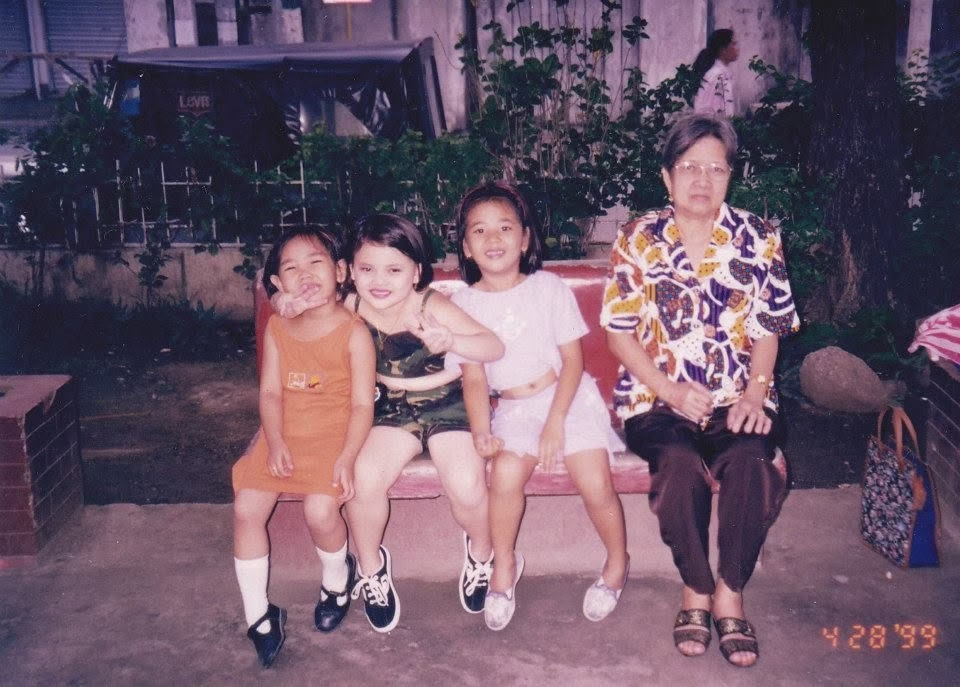
At first, I thought that was just normal sibling stuff. Then puberty hit, and the comparisons stopped feeling normal; they started feeling like verdicts. I am nothing. I am not enough. I am not capable of anything. That’s what I believed, for years.
I was bullied all through high school, and I never told my family. What was the point? They were busy being proud of my sister, and later, busy doting on my brother, the youngest, the only boy. There wasn’t room left over for me.
I honestly don’t know if I’ve fully healed from that childhood. The pain is still there. Just quieter now.
I hated myself for a long time without realizing I was allowed to feel anything else, that I didn’t have to compare my life against anyone else’s opinions. They’re not the ones feeding me. Why was I letting their opinions decide how I felt about myself?
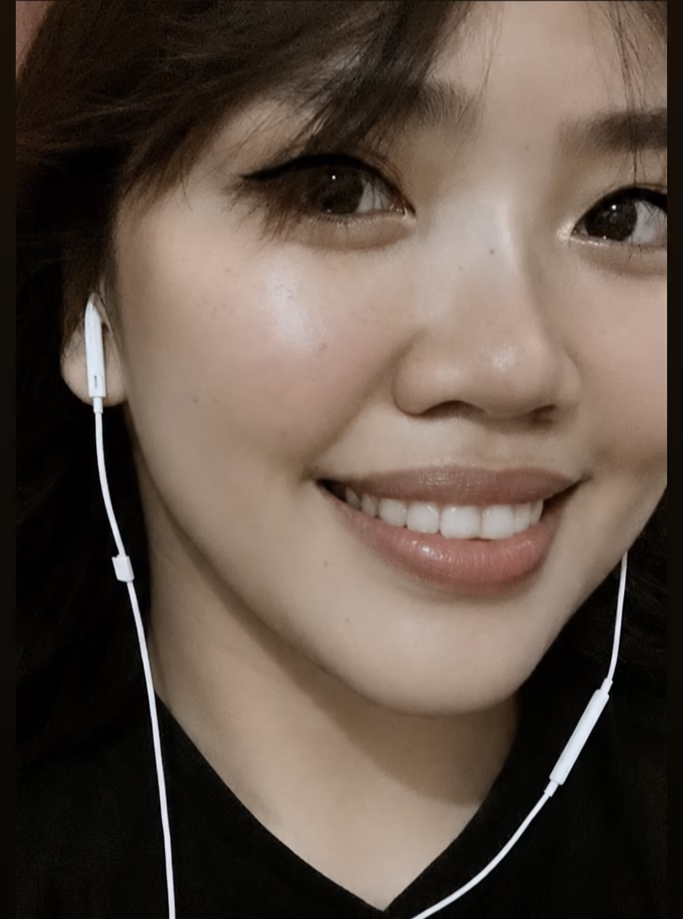
But somewhere along the way, the hurt turned into something else, a kind of numbness, and then, slowly, the start of actually liking myself. I stopped worrying and living for other people’s approval. I stopped needing society’s permission to feel okay.
Now I live quietly. I’ve stepped back from people who aren’t there to support me but rather pull me down. I stopped sharing everyday photos or stories on social media, and I let my small wins be enough because, honestly, they’re the only thing that’s ever really been mine.
So for the question: What do you love now, that you hated when you were younger?
I love myself now, and I will continue living the way I wanted. Investing in myself, journaling when I’m down, watching a movie, or traveling alone when I need to. I will never hate and compare myself to others again. I will always choose my battles and people whom I want to be with.
I miss being a kid because I didn’t get to enjoy being one.
Letting go of everything and letting God do the rest for me. I will entrust everything to him.
Check out my other posts by clicking here.